Thrilling Nature Photography Adventures
- Tony Clark
- Sep 26, 2025
- 3 min read
Nature photography offers a unique way to connect with the outdoors while capturing stunning images that tell stories of the natural world. Whether you are a beginner or an experienced photographer, embarking on nature photography experiences can be both exciting and rewarding. This article explores practical tips, inspiring ideas, and actionable advice to help you make the most of your outdoor photography journeys.
Exploring the Best Nature Photography Experiences
When planning your nature photography experiences, location and timing are key. Different environments provide diverse opportunities to capture wildlife, landscapes, and natural phenomena. Here are some tips to enhance your adventures:
Choose the right time of day: Early mornings and late afternoons offer soft, golden light that enhances colors and textures.
Research local wildlife and plants: Knowing what to expect helps you prepare the right gear and anticipate photo opportunities.
Pack essential equipment: A sturdy tripod, zoom lenses, extra batteries, and weather protection gear are must-haves.
Practice patience and observation: Nature photography often requires waiting quietly for the perfect moment.
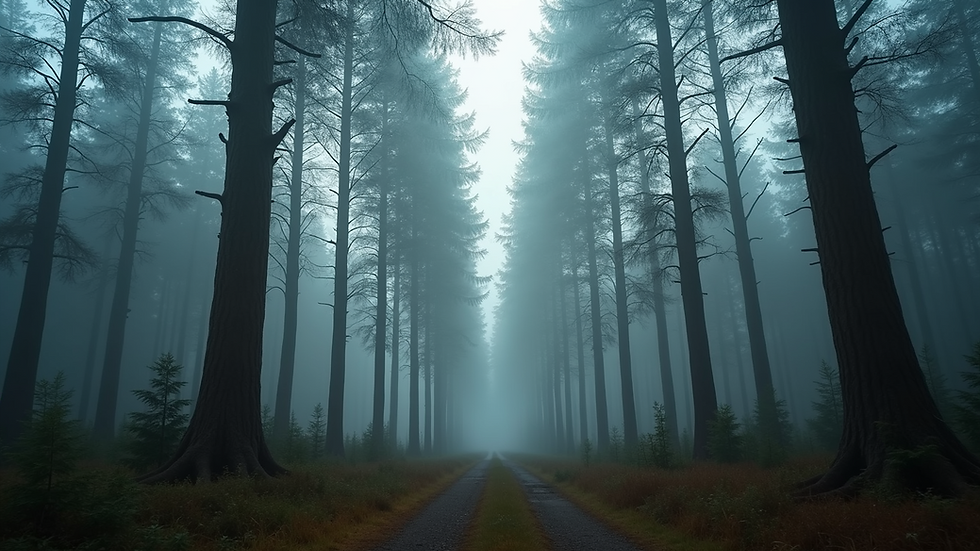
For example, photographing a misty forest at dawn can create ethereal images, while capturing birds in flight demands quick reflexes and fast shutter speeds. Each setting offers unique challenges and rewards.
Essential Gear and Techniques for Nature Photography Experiences
Having the right equipment and mastering basic techniques can significantly improve your photos. Here’s a breakdown of essentials and tips:
Camera and Lenses
DSLR or mirrorless cameras with manual settings allow greater control.
Telephoto lenses (200mm or longer) are ideal for wildlife.
Wide-angle lenses capture expansive landscapes.
Settings and Techniques
Use aperture priority mode to control depth of field.
Set a fast shutter speed for moving subjects.
Experiment with macro photography for close-up shots of insects and plants.
Use a polarizing filter to reduce glare and enhance colors.
Composition Tips
Apply the rule of thirds to create balanced images.
Look for leading lines like rivers or paths to guide the viewer’s eye.
Include foreground elements to add depth.
Safety and Ethics
Respect wildlife by keeping a safe distance.
Avoid disturbing habitats.
Follow local regulations and guidelines.

What can I do with nature photography?
Nature photography is not just a hobby; it can open doors to various creative and professional opportunities. Here are some ideas on how to use your nature photos:
Sell prints or digital downloads: Many photographers create online shops or participate in art fairs.
Contribute to magazines and blogs: Nature and travel publications often seek high-quality images.
Create educational content: Use photos to teach about biodiversity and conservation.
Enter photography contests: Winning awards can boost your profile.
Build a social media presence: Share your work to inspire others and connect with like-minded enthusiasts.
Additionally, nature photography can be a powerful tool for environmental advocacy. Beautiful images raise awareness about endangered species and fragile ecosystems.

Planning Your Next Nature Photography Adventure
To maximize your experience, careful planning is essential. Here’s a step-by-step guide:
Select a destination: National parks, wildlife reserves, and coastal areas are excellent choices.
Check the weather and seasons: Some animals are more active during specific times of the year.
Prepare your gear: Charge batteries, format memory cards, and pack protective cases.
Scout locations in advance: Use apps or maps to find the best spots.
Set realistic goals: Decide whether you want to focus on landscapes, wildlife, or macro subjects.
Stay flexible: Nature is unpredictable, so be ready to adapt your plans.
By following these steps, you can ensure a productive and enjoyable outing.
Embracing the Joy of nature photography adventures
Engaging in nature photography adventures offers more than just beautiful images. It fosters a deeper appreciation for the environment and encourages mindfulness. Each trip is an opportunity to learn, explore, and create lasting memories.
Whether you are capturing the delicate petals of a wildflower or the grandeur of a mountain range, the thrill of discovery is unmatched. Remember to share your experiences and photos with others to inspire a collective love for nature.
By continuously honing your skills and embracing new challenges, your nature photography experiences will become richer and more fulfilling over time. So grab your camera, step outside, and let the natural world be your muse.


Comments